At Home Fax Machine: Faxing from the Home Office

Working from home has never been more popular, but with increased demands comes the need for more sustainable long-distance communication. eFax explains how businesses can retain fax functionality at home without using fax machines.

Communicating from the Home Office

Remote work does not mean diminished responsibility — working from home still requires the same functionality and capabilities as working from a traditional office environment. For some businesses, that means fax documents need to be sent. However, corporate fax machines are not devices built for the home.

Fax Services That Offer a Solution

Home fax may sound like a barrier to effective work, but it doesn’t have to be. Large and cumbersome, expensive fax machines are not technology suited for the home office. However, new cloud-fax services like eFax remove the need for fax machines, while still enabling full fax functionality.

man-sitting-on-green-chair-while-using-laptop-374831

The Rise of Home Business

More and more businesses are operating out of a residential environment. Improvements to digital technology and online connectivity mean it’s easier than ever to set up a business out of your home. And why wouldn’t you? The benefits are clear to see. From reduced overheads, such as payments for additional property, to improved flexibility of working hours and a better work/life balance, there are countless reasons for a person to ditch the office desk and start a company from the comfort of their own home.

But, it’s not all good news. As with all things in life, there are challenges to overcome.

The Problem with Home Fax Machines

Many businesses still operate fax machines. In fact, most large businesses use fax machines, which has a trickle-down effect even for small companies, who must use fax to communicate certain data. The result is that without the ability to send and receive faxes, your home business can risk major barriers to effective document sharing — which means you need a fax machine.

However, fax machines are expensive. They are also large, bulky and resource-intensive. They’re also immobile and not secure when it comes to data connection or information sharing, and so a recipe for disaster in the home office. Fax machines need an old-fashioned phone line, too. Many modern homes have done away with these, in favour of digital devices and solutions. Even if you haven’t, you’ll need to pay for a separate phone line for a fax machine to avoid disruption.

The fax machine really has no place in the home office environment. It doesn’t fit with the modern ideals of remote connectivity, and why should it? The fax machine was designed in the 1800s before the first plane even took to the air. It was not built for our modern lifestyle.

The Home Fax Barrier

Your small business now has a problem.

Fax can be an essential practice for reaching out to other businesses and customers. To give up fax could be the difference between success and failure — at the very least, it isn’t going to help your numbers. But having a fax machine in the home office is impractical. So does that mean you have to take steps to introduce outdated and potentially harmful technology? Or must you give up on the home office dream and retain the traditional work environment simply so you can send a fax without opening yourself up to the nightmare world of having a fax machine at home?

In short, the answer is no. You can send faxes from home without a fax machine. You can also go about receiving faxes too. How? Through simple cloud faxing services, like those offered by us here at eFax.

How to Send and Receive Faxes from Your Home Office

The new age of home office work is facilitated by digital tools that allow for traditional workplace activities to occur remotely, but still to the same standards of quality. For example, communication platforms enable messages to be sent effectively, while cloud-based working software enables easy collaboration from anywhere a computer device can connect to the internet. There are new tools available for everything, and that includes the ability to send faxes.

Online fax enables fax transmission through mobile devices and computers. With eFax, you can log in to our online portal and submit a fax, or you can download our fax app and send it through our bespoke software. You don’t even need wi-fi to submit a fax document. If your mobile network allows for data transmission, you can send your document using your mobile data. To find out more about eFax, visit our how eFax works page.

Why Is eFax the Service You Need?

eFax essentially offers you a fax line without needing an old-fashioned fax machine. You still have the same fax service, and even a fax number, but you don’t need an active telephone line or centuries-old hardware to send fax. Instead, you can send fax from devices you already have, such as your work phone or laptop. There is no wasting resources or space, and you don’t need to purchase new equipment. Our service offers a way of sending and receiving fax documents in a way that fits with the flexible and autonomous nature of home office life. It’s essentially as versatile as accessing email, but instead of email, it’s fax!

Don’t be without vital fax features, but don’t get caught up in having an unnecessary home office fax machine either. eFax offers you a service that enables home office fax without the disadvantages of a fax machine. Sign up today and get your digital fax number immediately!

Best Technology for Business: 5 Must-Have Types of Tech

Why Use Technology to Grow Your Business?

Technology — when applied correctly — can have a dramatic effect on many aspects of a business — no matter if it’s introduced to small businesses or large companies. From increased productivity and efficiency to reduced costs and higher profit margins, the best technology for business can be a game-changer.

What Is the Best Business Technology Available?

Not every piece of tech is going to be beneficial for your business. But there are a few universally applicable types of small business technology that can have real impacts for your company. eFax experts recommend you incorporate:
  • Online fax
  • Accounting software
  • Cloud-based tools
  • Mobile power banks
  • Automation

Here’s an important question to ask: Is there any point in hunting for the best technology for business? Sure, you can spend time and money and other resources finding the best technology for your business, but will it actually benefit you, or are your current systems good enough?

The simple answer is yes —you do want better business technology.

Business technology has numerous benefits. It can increase productivity, cut costs and drive up security in an increasingly data-conscious world. The better the solutions you have, the greater the benefits you’ll see. Growth in business is not driven by accepting what is “good enough” but finding the best ways to complete tasks and develop your company. Introducing new and essential technology is an important step in that process, especially in the current digital age.

But if it’s important to track down better tech, what is the best business technology for your company? With so many solutions available, it can be tough to know exactly what you should be paying attention to. You can’t take on all new tech after all, and plenty of it is going to be fairly useless unless you’re in a very specific circumstance.

Experts in modern tech, eFax, breakdown five of the types of technology that can be advantageous for almost every business out there.

1. Online Fax Solutions

It may seem weird to see fax appear on a list of the best business technology for modern companies, but hear us out. Fax as a practice doesn’t only survive but thrives. Current fax statistics show us that billions of fax documents are transmitted each year, sent from a collection of 43 million fax machines. Fax is everywhere — from the USA to China — and incorporated into many large industries and markets. Without the ability to fax, your business faces potential difficulties with connectivity. There are also many benefits of fax, including the ability to send legally-verifiable e-signatures and the quick communication of visual documents.

Fax is here, and here to stay.

But then you have the fax machine; a cumbersome relic of a bygone era that is slow, immobile, expensive and a risk to data security. Fax as a practice needs to be a part of your business, but you should avoid fax machines at all costs. This point brings us to our list of the best business technology, and the inclusion of online fax.

Online fax is an entirely digital fax solution. It enables the transmission of fax documents through devices like computers and smartphones, affording documents all the flexibility and security of modern technology. It does this all while being able to connect to old-fashioned fax machines, so even if your clients have outdated tech, you can stay up-to-date. What online fax does is facilitate fax connectivity without the need for an actual fax machine. In a world still ruled by fax, but plagued by the hardware that enables it, online fax becomes some of the best business technology you can buy.

2. Accountancy Software

To quote the American billionaire Tilman Fertitta — “Don’t ever let your business get ahead of the financial side of your business. Accounting, accounting, accounting. Know your numbers.” Success in business often comes back to one thing: financial health. If your financial management is bad, you can — as Fertitta says — let your business get ahead of the money behind it. When that happens, things fall apart quickly.

Money management for business owners is hard, particularly if you have no experience in finance. However, the evolution of accounting software has made this process a lot easier. Accountancy software allows you to easily record and track transactions, monitor pay, chase invoices and automate a lot of financial systems that may otherwise go unchecked. This is perhaps some of the best business technology you can acquire because its existence within your company allows you to take control of your money and results in better decision making.

No obligation. No set-up fees. No risk.

3. Cloud-Based New Technologies & Tools

It is becoming increasingly common to see individuals work from non-traditional environments. This may be from home, or even abroad. The connected and digital world we live in means you don’t need to rely on the — some might call old-fashioned — office headquarters anymore. However, this creates a problem for small business owners.

Traditionally, your software for work is found on your internal servers and accessed through a network of computers held within your place of work. This means that to complete work, employees need to be in a specific location — a limitation that doesn’t support the modern working lifestyle.

Cloud computing is one of the latest technology trends to transform the way employees manage tasks. Instead of accessing business tools from a central location, the tools are held on an external system and accessed through the internet from anywhere. Examples of this include eFax, Google Documents and Adobe Creative Cloud. These cloud-based tools can offer all the same functionality as software once housed internally, but through online access provides the flexibility required to meet the demands of our 21st-century work culture. Cloud tech is absolutely and unquestionably some of the best business technology available right now.

4. Mobile Power Banks

In the modern working climate, mobility is essential. The newest generation of employees focuses on remote access to employment. Travelling for work is also on the rise. As the service industry continues to expand, more and more individuals are looking to spend time away from the traditional office environment. Cloud-based software and tools like eFax all help to support task completion of remote and mobile work — but there is another hurdle to jump.

Access to power.

In the digital age, we are reliant on our smartphones and laptops. Almost all working environments require electricity to operate. Without access to power, your workforce can become unable to complete their tasks. In an office situation, this is not a risk, but out and about, it becomes more of a problem. The saviour of this dilemma is simple, yet still some of the best business technology you can find. Mobile power banks allow your workers to charge devices and maintain access to power wherever they are, so there is no disruption to business operations.

5. Automated Technology & Artificial Intelligence

We live in an era of AI technology, machine learning, and automated solutions. Smartphones automate so many day-to-day tasks for us and have introduced AI to the residential environment. But how can we incorporate this kind of technology into a business in a way that isn’t just a gimmick, but actually benefits the brand?

Automation can start at a very basic level. You can use software tools to automate social media posts to maintain an active digital presence, send out reminder messages to clients, or even introduce AI to your customer experiences to answer real-time queries through the form of a chatbot.

But this is just stage one.

Automation within your industry can have explosive real-world benefits when engaged in a way unique to your situation. For example, automation in manufacturing includes the use of drones to monitor stock and dramatically increase productivity. In contrast, automation in customer-based operations can complete tasks like data acquisition in a way that reduces workload and allows for higher levels of work output at a lower investment. Application of successful automation depends on the industry. Still, there are very few businesses that cannot benefit in some way from this, some of the best business technology to emerge in recent years.

Let eFax lead the way in your business technology revolution. Discover how to send fax online and sign up today with our free trial offer. See for yourself why our systems belong on this list of the best business technology.

6 Quick Hacks to Improve Business Performance Today

Why Improve Business Performance?

Profitability and sustainability tie in with business performance. If your business isn’t performing well, you can’t hope to see the growth and development every business owner dreams of. So how do you improve business performance?

How to Improve Business Performance

Improving business performance isn’t all about long-term strategy and investment-heavy projects. Some quick hacks can help you make big changes. Simple measures like planning your day, cutting out old technology like fax machines and re-organising your employee structure can all provide immediate and dramatic results.

What does it mean to improve business performance? That depends on your business. It could be anything from making more sales to producing more products. However, when it comes to success, there is no variance. The difference between good business performance and bad business performance is the difference between success and failure. That’s it. It doesn’t matter if you need to make more phone calls or walk more dogs — good and bad performance is very black and white.

You either perform well, or you don’t.

Because of this, business owners need to always be thinking about how they can improve business performance — especially if they are facing challenges. But while many strategies often look to long-term solutions, what can you do to improve business performance now? When you are up against it, quick hacks for performance improvement are exactly what you want to hear.

1. Plan Ahead and Save Time

You often find you can improve business performance through the better management of time. Why? Because if you can find a way to spend the resource of time more wisely, investing it in the right places when necessary, you’ll find your business can get more done. You can also complete tasks more effectively, and faster, which leaves room for other business processes to be carried out.

The simple and quick solution to improperly managed time is to plan. A brief planning stage early in the morning — or whenever your workday begins — can save as much as two hours of usually wasted time. Create an outline strategy of what needs to be done, when you need to do it, and how it is going to get done. Planning allows you to optimise time spent and improve business performance as a result.

2. Axe the Fax Machine

Despite being outdated technology, fax machines are still widespread across British businesses — and the world. There are some pretty staggering fax statistics out there, including the fact billions of fax documents are sent each year, and that 43 million units are operating to this day. The fax machine remains so prevalent because fax is an important part of business communication. Without the ability to fax, you face connectivity barriers that are difficult to overcome.

Yet, being outdated, fax machines present problems. They are slow, immobile and not secure. Their existence within your business directly impacts performance by cutting productivity and introducing risk factors. So how do you improve business performance while retaining the essential practice of fax? You upgrade to online fax. Online fax by eFax uses the latest technologies, allowing faxing to continue, without reliance on outdated hardware. You can improve business performance immediately simply by signing up to eFax services.

3. Focus on Improved Productivity

Fax machines aren’t the only drains on productivity in your business. There are many ways a small business can discover it is wasting resources unnecessarily. How this happens depends entirely on your business. You may find, for example, you are investing a lot of time in social media that isn’t paying off, or your business model includes free consultations that aren’t converting into leads.

To improve business performance, you need to take a step back and evaluate.

What isn’t providing your business with the ROI it needs? Often we get stuck in patterns of familiarity and continue to complete tasks that aren’t beneficial — simply because they are entrenched in business process. That or we complete them efficiently, using old systems or practices despite better options being available — similar to the fax machines problem. These types of weaknesses can be tough to spot for those working internally. If you are struggling to increase productivity, we recommend you have an expert advisor come in to audit your business’s performance and help you understand where you can up productivity to improve it.

No obligation. No set-up fees. No risk.

4. Cloud-Based New Technologies & Tools

It is becoming increasingly common to see individuals work from non-traditional environments. This may be from home, or even abroad. The connected and digital world we live in means you don’t need to rely on the — some might call old-fashioned — office headquarters anymore. However, this creates a problem for small business owners.

Traditionally, your software for work is found on your internal servers and accessed through a network of computers held within your place of work. This means that to complete work, employees need to be in a specific location — a limitation that doesn’t support the modern working lifestyle.

Cloud computing is one of the latest technology trends to transform the way employees manage tasks. Instead of accessing business tools from a central location, the tools are held on an external system and accessed through the internet from anywhere. Examples of this include eFax, Google Documents and Adobe Creative Cloud. These cloud-based tools can offer all the same functionality as software once housed internally, but through online access provides the flexibility required to meet the demands of our 21st-century work culture. Cloud tech is absolutely and unquestionably some of the best business technology available right now.

5. Mobile Power Banks

In the modern working climate, mobility is essential. The newest generation of employees focuses on remote access to employment. Travelling for work is also on the rise. As the service industry continues to expand, more and more individuals are looking to spend time away from the traditional office environment. Cloud-based software and tools like eFax all help to support task completion of remote and mobile work — but there is another hurdle to jump.

Access to power.

In the digital age, we are reliant on our smartphones and laptops. Almost all working environments require electricity to operate. Without access to power, your workforce can become unable to complete their tasks. In an office situation, this is not a risk, but out and about, it becomes more of a problem. The saviour of this dilemma is simple, yet still some of the best business technology you can find. Mobile power banks allow your workers to charge devices and maintain access to power wherever they are, so there is no disruption to business operations.

6. Automated Technology & Artificial Intelligence

We live in an era of AI technology, machine learning, and automated solutions. Smartphones automate so many day-to-day tasks for us and have introduced AI to the residential environment. But how can we incorporate this kind of technology into a business in a way that isn’t just a gimmick, but actually benefits the brand?

Automation can start at a very basic level. You can use software tools to automate social media posts to maintain an active digital presence, send out reminder messages to clients, or even introduce AI to your customer experiences to answer real-time queries through the form of a chatbot.

But this is just stage one.

Automation within your industry can have explosive real-world benefits when engaged in a way unique to your situation. For example, automation in manufacturing includes the use of drones to monitor stock and dramatically increase productivity. In contrast, automation in customer-based operations can complete tasks like data acquisition in a way that reduces workload and allows for higher levels of work output at a lower investment. Application of successful automation depends on the industry. Still, there are very few businesses that cannot benefit in some way from this, some of the best business technology to emerge in recent years.

Let eFax lead the way in your business technology revolution. Discover how to send fax online and sign up today with our free trial offer. See for yourself why our systems belong on this list of the best business technology.

Doing Business Internationally: Advice for Global Expansion

Why Commit to Doing Business Internationally?

Doing business internationally is often touted as being one of the best ways to reach new customers and improve net profits for a company. When struggling to make sales or grow your business, global expansion could be the answer.

Top Tips for Global Expansion

Going global in business is not without its difficulties. Get it right and it can provide you with empowering growth opportunities, but get it wrong and you risk real problems. eFax tips for doing business internationally include picking markets carefully, investing in the necessary tools for the job — like eFax — and working with local experts.

What is the Point of International Business?

The benefits of doing international business are not hard to see. Domestic markets offer certain securities and opportunities, but they also have limitations. Global expansion is on the mind of any business that wants to achieve a new level of success. Microsoft conquered the United States, but if it hadn’t expanded into international markets, it wouldn’t be the juggernaut of industry we know today.

Even small businesses can prosper by developing international trade. If your sales have plateaued despite your best marketing efforts, it might not be your ability to reach customers, but simply a lack of them. Overseas markets can be a cost-effective way to access new streams of revenue, and develop a new customer base that helps your business thrive. But doing business internationally is not without its challenges. There are plenty of obstacles to overcome besides simple distance.

Our Advice for Global Expansion

eFax is an international brand operating in countries across the globe. We’ve committed to our global expansion and made it succeed. In this blog, we share some of our tips for business owners looking for growth in international markets.

1. Pick Your Foreign Markets Wisely

Consumer habits around the world vary widely. International companies have great success in some markets while drastically failing in others. Everything from spending habits to product desires changes the way people use a business. eBay, for example, famously attempted international expansion in China with poor results — despite being a huge success in regions like Europe and the USA. Market research is how you ensure you don’t fall prey to the problems that plagued business like eBay. Understand the kind of foreign companies new markets want to see — and those they don’t.

2. Be Aware of Legal Restrictions and Regulations

Part of your business plan for entering new target markets overseas should be to think about legal obligations and business regulations that may come into force. In the UK, you must rigorously adhere to a vast array of laws. In other countries, the laws are different, but your compliance with them is not. Successful world trade requires compliance with international laws. Fail to do so, and you’ll face severe consequences, just as you would in Britain. If you want to start doing business internationally, you have to play by their rules, in a similar way to businesses trading in Europe who need to comply with GDPR.

No obligation. No set-up fees. No risk.

3. Get to Know Foreign Business Culture

There can be some pretty major cultural differences when it comes to doing international businesses. Foreign countries have their way of doing things, just as we do. Moving into international markets and expecting businesses to cooperate with the way you conduct your affairs is a quick way to alienate potential partners and consumers alike. Success doing business internationally can simply come down to understanding new markets and taking steps to make sure you follow their culture. The solution to potential problems here is easy: educate yourself on the cultural norms of the international market you are entering, and you can adapt to meet them.

4. Brand Your Product for International Audiences

If you’ve travelled internationally, you’ve likely come across a well-known product sold widely in the UK with a drastically different name overseas. It’s still the same item, but the branding has completely changed. Examples include Dove for the chocolate bar Galaxy and Lays for Walkers crisps. There are many different reasons a business might opt to do this. A product or brand may already exist with a similar name, or the current branding may evoke negative or unwanted associations due to cultural differences or translations.

5. Incorporate the Necessary Tools

Changes you’ll experience don’t just stop at language barriers and cultural differences — you’ll also see diversification in the business tools used within markets. A great example of this comes from Japan, where fax machines are prevalent in almost all industries. Without the ability to fax, you’ll struggle to succeed in this international market. How do you solve the problem? You ensure your business has the tools it needs to operate within the international market effectively. In this example, the inclusion of online fax can support your goals.

But why not just regular fax machines?

It’s important to also consider the impact the incorporation of new tools will have on your current operation. A UK company looking at doing business internationally doesn’t want to acquire outdated fax machines. They have security issues, harm productivity and will become obsolete following the ISDN switch off. Think carefully about the tasks you’ll need to complete — and find the best tool to match the solution.

6. Work with Local Market Experts

To get everything right, from truly understanding culture to knowing what your risk factors are, you need some expert support. Just as you’d employ a financial advisor to aid your in commercial activities at important junctures in your business’ life cycle, so too should you engage experts in foreign markets to support international expansion. Those who are familiar with the foreign country or market you are trying to achieve success in can guide decisions and set you on the right path. There is no substitute for true expertise.

eFax online fax solutions support your business through a range of diverse communication tools that enable streamlined international expansion. Considering doing business internationally? Find out how to send online fax, and discover why it’s the service you need.

11 Common Business Mistakes: Is Your Startup Guilty of These?

It’s not uncommon for new business owners to make mistakes on the path to success. Learn from those who’ve come before you and you can avoid problems that have destroyed other startups. From going too fast to ignoring data security, there are many ways you could be harming your business without even realising it. Awareness of problems allows you one thing: to take action!

Business people with startup rocket

Going Too Fast

There is a certain energy about starting a business — an electric sort of excitement that demands to be unleashed upon the world. You become determined to hit the ground running and jump in on success as soon as possible. While it’s an attractive idea to startup as soon as you can, this kind of attitude presents problems. The complicated nature of business management means you need to lay a lot of groundwork to ensure early stability — from access to financial capital and other kinds of resources to the development networks, customer relationships and business plans. Being underprepared leaves you scrambling to manage an active business while building the groundwork that you could have secured before launch. In short, saddle your horse properly before letting it out of the gate.

Going Too Slow

Going too fast — diving in headfirst — is a surefire way to encourage problems further down the line. However, being too cautious has its own set of problems. If you fail to leap at some point, but instead continue to plan and test and work to hone your product before launch, you may find you miss opportunities and even collapse before you get going. Money runs out; competitor businesses emerge, products that were once exciting become obsolete. Delay your business establishment for too long and you may find you’re too heavy to get off the ground.

Not Building a Website

In the digital age, having a website is very important. Customers look for websites when they’re after everything from product purchases to contact information. Without a website, your business can appear undeveloped and unprofessional. How common is this business mistake? Very. As recently as 2019, 40% of small businesses and startups did not have a website.

Building Bad Websites

So, you aren’t one of those many businesses that fail to jump on the digital bandwagon. You’ve built yourself a website. But hold on, you aren’t making sales or getting any visitors? What’s the problem? The problem is, just because you have a website, doesn’t make it a good website. Bad websites are just as bad as, or worse than, non-existent websites. Poor user experience can harm your ability to acquire customers — bad websites are off-putting and suggest a certain level of quality control your customers may not appreciate. A big business mistake startups make is not investing in a good quality website; one that includes an attractive design, important functionality, and all the information customers need.

Ignoring Data Security

Data security and customer information privacy isn’t just a problem for big businesses. Startups are also at risk from breaches and resulting prosecution. Any new business needs to be thinking carefully about how they are going to protect data. Don’t allow yourself to fall into the trap of thinking, “it won’t happen to me”. 43% of all cyberattacks target small business, and what’s worse, 60% of those affected will close within six months. Closures are often due to poor preparation for an attack, and the costs and damage to reputation associated with the aftermath. Ignoring data security is one common business mistake you don’t want to make. Prepare your business for problems with it.

Not Meeting Customers Expectations

Certain industries uphold certain customer expectations. For example, if you’re a healthcare service, customers will expect you to offer appointment reminders, so they don’t miss dates. If you’re a restaurant or hotel, customers will expect some sort of digital booking system. If you’re a retailer, they’ll want to be able to make purchases online. If you’re in the creative sector, they’ll probably be looking to see examples of products on social media. If you don’t meet the expectations of your business, target customers will look for others who provide what they are looking for. One of the most common pitfalls you’ll see is startups providing something new or exciting, without backing it up with the necessary standards customers expect.

No obligation. No set-up fees. No risk.

Using Outdated Practice

In the 21st-century, you cannot start a business using outdated practice. There are just too many modern solutions available. Take, for example, fax. Many sectors still rely on fax, so if you enter into an industry that requires fax to be sent — such as law — you’ll need to incorporate technology enabling fax. Fax machines are outdated technology, however. No brand new business should be buying a fax machine. But where does that leave you? You need fax but buying a fax machine is a ridiculous notion. The answer is online fax. Online fax from services like us, here at eFax, allows you to adopt new technology to complete important tasks. Other examples of making use of up-to-date practices include using accounting software to manage your money and chatbots to handle customer queries.

Focusing on Money

It seems daft in a commercial enterprise to not focus on financial gain. We aren’t suggesting you shouldn’t value profitability —without profit, you cannot continue. But what we are suggesting is you don’t make the business of money your primary source of gratification when it comes to your business. Exponential profit growth as a goal is thrilling, but what if it doesn’t work out? Many businesses collapse simply because the business owner loses interest and moves to another project in the hope of achieving something more fulfilling. The biggest and most lucrative enterprises aren’t often overnight successes. Major brands take years to create. Make sure your startup offers you something more than just financial incentive. This way, you’ll find you are more invested and committed to the project, allowing you to play the long game and see the results build year-on-year.

Not Seeking Financial Advice

Money management is at the core of all successful businesses. The health of your finances often makes the difference between growth and collapse. Money needs to be well taken care of, cash flow recorded and monitored, and income and investments spent in the right way — you need to avoid overspending while also not underspending. Unless you hold a qualification in finance, you probably aren’t an expert in this activity. Too many business owners fall at the hurdle of finance management. But it’s a very easy obstacle to navigate. Avoid one of the biggest mistakes by building a working relationship with a financial advisor, such as an accountant.

Ignoring Feedback

It’s a heartbreaking business mistake, but it’s unfortunately common. You’ve thought of an idea — a product or service — that you think is amazing. It’s life-changing and people are going to love it. But when you start getting feedback, you discover your testers aren’t as keen as you. So what do you do? Too many business owners continue with their dream, fighting against the negativity to try and prove people wrong. Of course, there is a chance this will pay off — but there is a much bigger chance the feedback aligns with the public you are trying to sell to. Don’t let your own vision be your undoing — work with your ideal customer to build something they want, not just what you want to provide.

There Is No Marketing Research

We aren’t talking market research here — we’re talking marketing research. Every business idea has its unique methods of reaching consumers. Some businesses are built on local tools like physical ads and sponsors, while other brands rely entirely on digital sales and acquisition. Your most successful marketing tool revolves around what you offer — not what you already know or understand. Do your research into the kind of marketing you should be running, and discover what is going to be the best fit for your industry. Don’t fall for the common business mistake of going with marketing channels familiar to you — they may be woefully ineffective for your business model and bring poor ROI on your marketing budget.

These are just a few common business mistakes you can make. You won’t be able to avoid them all, but manage as many as you can, and you’ll be on track for success. eFax online fax technology supports your goals and helps you avoid mistakes — making a difference to everything from using outdated tech and data security to cutting down on paper waste. Find out how to send online fax today!

Dangerous Data Compliance Mistakes You Are Probably Making

Data compliance nightmares break headlines every year.

From Facebook account information theft to the notorious Sony emailing hacking scandal, we’re all aware of the terrible backlash that can follow major data breaches — as well as the massive financial penalties that businesses can receive as a result.

All data protection practices are liable to be threatened and scrutinised. To keep information secure, and remain on the right side of the law — and avoid fines in the wake of disaster — businesses must be compliant with legal regulations.

The problem is, some businesses are not clear on what best practices are, which means they may be making mistakes without even realising it. So what are these mistakes, and what can be done to stop them?

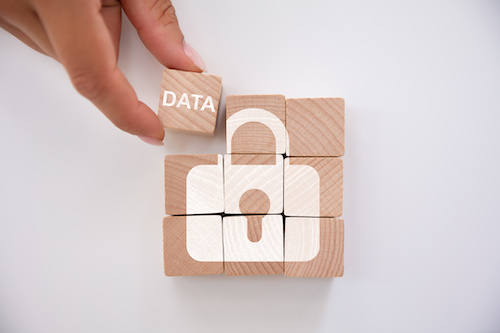
Person Holding Data Block

Being Unaware of Exactly What Data Is Being Stored

The right to be forgotten is a fairly new data rights idea that is getting a lot of attention on the global stage. It’s part of the European Union’s big GDPR move and has garnered much interest from nations on other continents too, like South Korea, Argentina, India and the United States. The idea is, individuals have the right to request their data be deleted, although, in some more low-key scenarios, it’s just about making sure data is accurate and up-to-date. The concept may be an inconvenience to a business, but to appease lawmakers and customers having the ability to comply with the right to be forgotten is important. Before they can comply with the right to be forgotten, businesses must know what data they hold on somebody and have access to it at all times. If they don’t, then the business cannot amend or destroy it upon request, which can be in breach of data privacy laws. Businesses often collect a lot of data. The trouble is, they aren’t always sure what to do with this data. While some of it is used for important tasks, other pieces are essentially scattered to the winds. Awareness of what data businesses store is important, as is the ability to access it whenever necessary. The trick to remaining compliant is two-fold. It involves:
  • Only onboarding data that is needed, limiting the amount stored and therefore reducing the risk of erroneous pieces of information getting lost in a sea of data
  • Making sure robust systems of consumer record storage are in place, to allow for easy viewing of all personal data held on an individual.

Continued Use of Outdated Fax Machines

Fax machine use is still rife around the world, and for good reasons. Fax documents allow for the transmission of important legal files, and the sharing of visual information quickly. While many argue it is outdated, the fax itself is a vital part of many economic infrastructures, and should not be dismissed as archaic.

What is archaic though, is the machines used to send the fax. The fax machine hasn’t changed much since it’s rise in the 1960s — which is alarming. These types of units are not designed for contemporary operations. Using a fax machine to send a fax is like using a computer built in the 90s to access the internet. Fundamentally, the internet is the same as the time of its inception, just as the fax is. But the supportive technology around it has evolved dramatically.

For faxing, this means risks to data compliance. Fax machines are known to increase the chance of breaches through several weaknesses, including a lack of data encryption, easy-to-hack hardware, the commonality of accidental misdialing, and a high probability of paper files to be exposed to unauthorised parties.

But, as with the internet, there are now ways to access fax that doesn’t require ancient hardware. Digital fax technology allows businesses to maintain essential fax functionality without having to use risky hardware like fax machines. Businesses can send and receive fax while removing the risk factors that increase the chance of a data breach. There are other benefits to using digital fax too, such as being prepared for future changes like the ISDN switch off.

No obligation. No set-up fees. No risk.

Maintaining Paper Document Practices

Paper documents introduce significant risk factors when it comes to data security.

They are difficult to store safely. Filing cabinets and drawers are not considered secure unless they are locked up properly and only authorised individuals have keys. The moment a paper document is potentially exposed to an unauthorised individual, it becomes a problem for data security. This can happen in shared workspaces or simply by having a piece of paper left out on a desk.

Paper documents are also easy to lose. In the past, we’ve seen reports of documents relating to national security left on a train, and confidential police files stolen after a senior official left them on the back seat of a car. It is a risk and a genuine problem.

There is also the simple issue of tracking down paper documents. They can often be difficult to find, especially if businesses store lots of records, which can make updating information a problem — and also lead to sensitive information disappearing. Both of these risks can contravene data protection and data rights laws.

Going paperless works against these risks by making all business documentation digital. Digital practices increase security through access controls and encryption, while also making it easier to find documents through simple search functionality, so it becomes near-impossible to lose files. When it comes to the right to be forgotten, this element is key.

The Misguided Concept of Safety

Big data penalties and issues are seen as problems exclusively for big businesses. British Airways recently got slapped with a huge fine for data breaches and other massive corporations like Marriott, Yahoo and Uber have seen similar repercussions for lax security and loss of consumer data. But that’s because they are big commercial enterprises with targets on their backs — right? The idea that entities are protected from backlash because they are a small business is not an uncommon one. In fact, even a year after the EU rolled out its game-changing GDPR legislation, millions of small businesses were found to be non-compliant with the regulations. Many believed it wouldn’t affect them. This idea is false. Simply put, it doesn’t matter if a business is a giant like Apple or a small business that sells apples, they have to be compliant with data protection regulations or they can and will be held accountable for breaches. One such example of businesses being handed down fines after GDPR is that of a small shipping company in Germany that was hit with a penalty costing thousands of Euro for the way it processed client contracts. Being a small business is not protection. Those that store customer data on any level must be compliant with data protection laws. There is no safety in size nor ignorance.

Not Just Acceptable in the 80s: Why Fax Isn’t Legacy Technology

When Calvin Harris recorded his classic electro-funk hit Acceptable in the 80s, he reminded us all that there were plenty of things acceptable during the decade of Madonna and Diana that you couldn’t get away with now. From legal changes like smoking on aeroplanes and in restaurants to cultural fads including perms, shoulder pads and carrying around a boom box, the landscape of the modern era looks very different to the days that launched Nintendo’s Gameboy.

But not everything that was acceptable in the 80s is a modern-day taboo. Video games are bigger business than ever and we’re all still mad for Gremlins. But this isn’t always a good thing. There are some things that have survived from the 80s that perhaps shouldn’t. Transformers has been ruined for many by a disappointing movie franchise, and the less said about frustrating Rubix cubes, the better.

And then we have fax.

Some people would argue that fax is yet another generational survivor that should have been laid to rest long ago. Technology from a time long since passed, fax machines are still used the world over, while movements like “axe the fax” seek to put an end to their reign.

But do we want that?

Fax in the 21st Century

Fax usage is still utterly rampant across the globe. Billions of fax transmissions are sent every single year, fired out from the 40 million-plus units still in existence. This isn’t just a byproduct of previous fax machine use either. These aren’t legacy devices bought decades ago that are still running. They are, actually, quite the opposite. Millions of new fax machines are sold to businesses annually, with no signs of things slowing down.

The fax isn’t just a survivor of the 80s; it is a technology that nothing has been able to completely supplant, despite being first introduced over 100 years ago.

Why the Fax Is Still Acceptable Technology

So fax was acceptable in the 80s, and is apparently still acceptable now, but why?

To start with, there are certain benefits to fax that no other technology has yet been able to replace. The legality of fax is still very much considered superior to other types of documentation, and fax remains the quickest way to share visual data on a universal scale.

It’s also still a highly integrated part of business communication around the world. Major economies like the USA, Japan, Great Britain, Israel and Germany maintain high levels of fax output, which means without the ability to fax, many brands looking to perform on the international stage would struggle. Fax is so prevalent in some economies that usage within certain industries can reach as high as 50% of all communication transmissions sent and received.

The fact of the matter is that fax is just too useful, and too widely recognised, for it to be simply palmed off as a product of the past that still exists today. It’s not a thing of the 80s; it’s still current and valuable as a modern concept.

However, while the fax is still acceptable, and actually vital for communications on both a national and international scale, there is one element of this platform that is very much no longer acceptable, and that is the fax machine itself.

No obligation. No set-up fees. No risk.

Why the Fax Machine Isn’t Acceptable

Fax has become synonymous with the fax machine, but the two are very different things:
  • A fax is a method of communication that allows for the sharing of visual files.
  • A fax machine is a tool that allows you to send a fax.
But while fax remains invaluable, the pieces of hardware that first enabled their transmission have not stood the test of time well. Fax machines are notoriously slow, prone to security breaches and expensive to run. They are a technology of a bygone era, even by the standards of the 80s, and can’t hope to match the sleek and sophisticated hardware of the 21st century, like smartphones and state-of-the-art computers. So fax is acceptable, but the fax machine isn’t. This seems like a paradox, but it isn’t for one simple reason: The fax machine has remained the same, but the fax has moved on. It doesn’t need old-fashioned and outdated hardware to exist and thrive anymore.

How to Be a New-Generation Faxer

Fax of the 21st century does not require a fax machine. Fax of the 21st century can actually be achieved through entirely digital solutions.

Cloud fax technology enables businesses to engage in the important world of fax, and communicate with other organisations using the platform, without having to maintain hardware that was outdated even in the 80s. Cloud fax is to fax what email was to postal mail: a natural evolution. Businesses can send fax documents via their more modern hardware (phones, tablets, computers, etc.) using internet connectivity and digital files, rather than outdated analogue lines and paper documents.

The whole process is faster, cheaper, more adaptive and efficient, and avoids issues like modern data protection compliance problems and the threat of the ISDN switch-off. It even allows you to send to — and receive fax from — those who still operate the old-fashioned hardware, thanks to modern automation tools that convert physical fax to digital files in-transit.

In a world where fax is not only acceptable but necessary, yet fax machines are dangerous and outdated, cloud faxing offers businesses a chance to enjoy the best of both worlds: universal fax capabilities run through advanced and modern digital solutions.

What Replaced the Fax Machine?

The fax machine is old technology. First built in the 1800s and popularised in the 1960s, it belongs to a bygone era. But if they aren’t around anymore, what replaced the fax machine?

Article overview:

Modern Day Fax Machines

Fax machines might be old technology, but they haven’t actually gone anywhere. Millions are still in use the world over. However, this is not necessarily a good thing. Fax machines present risks to data security and slow down workplace efficiency.

The Replacement for Fax Machines

Fax machines might not have all been replaced yet, but a substitute certainly exists and is ready to take over. Digital fax is the fax replacement your business needs. Optimised for the modern workplace, it is the next step in the evolution of the fax.

Learn More! Read the Full Story Below

Has the Fax Machine Actually Gone Anywhere?

The short answer is no.

Is fax still used? Yes, and in high quantities. The fax machine hasn’t left us, far from it. Seventeen billion fax documents are sent every single year. Surveys suggest there are over 43 million fax machine units still in operation around the globe. That’s not all — millions more sell every year. The fax machine market isn’t dying.

Of course, sales figures are not as high as they were when the fax was considered one of the primary methods of business communication. Countless more units were routinely used from the 60s to the 90s, but that doesn’t mean the fax machine has been replaced. As other technology has arisen, fax machine use has fallen, but it’s still very much prevalent within the commercial world.

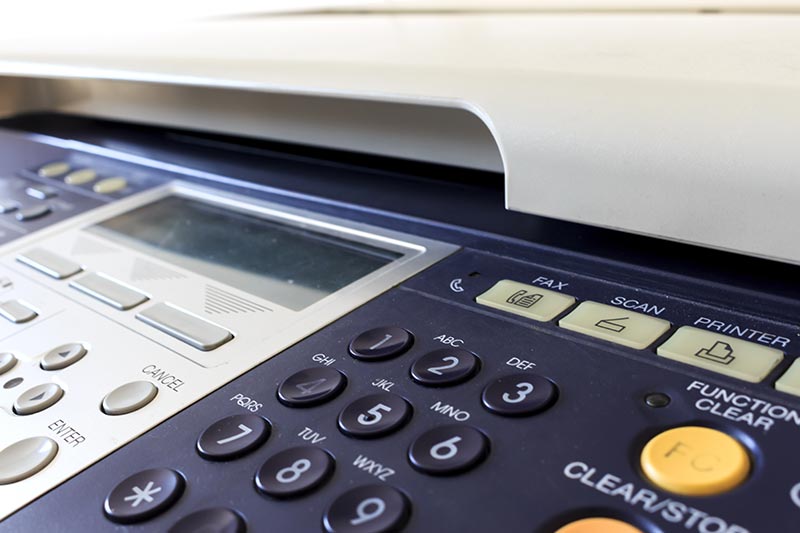
what-replaced-the-fax-machine

Does the Fax Machine Need Replacing?

So the fax machine hasn’t been replaced, but should it be? Again, the answer can be summed up in one word:

Yes.

Fax machines are not technology suited for the 21st-century. Businesses that continue to use an actual fax machine face several problems that have a detrimental impact on successful operation, including:

  • A reliance on landline connectivity, which will soon be obsolete as part of the ISDN switch off
  • Increased risk of data protection disasters due to outdated technology lacking the necessary safeguards for modern businesses
  • Reduced productivity thanks to the slow and inflexible way fax machines operate
  • High communication costs, including fees related to fax machine purchase, maintenance and resources like ink, paper and toner
  • The inability to adopt paperless working practices that promote environmentally-friendly work culture.

However, while the traditional fax machine is tired old technology that doesn’t belong in your small business, that doesn’t mean the fax should be written off too.

Fax documents can be incredibly useful. In terms of legality, they are considered more authentic than other methods of sharing files, such as email. Fax also makes it very easy to directly send somebody a visual document, which can be very important in some industries.

That idea brings us to another point. Fax is so useful in some industries that it remains one of the most commonly used methods of communication. In healthcare, for example, fax is essential. If you can’t fax, you cannot properly communicate in such industries, which can limit your ability to reach clients and customers.

And it’s not just specific industries where fax use is high.

Some countries, including influential economies like Japan and the USA, maintain very high use of fax machines. When breaking into international markets, having the ability to fax can be essential, as, without the platform, you may not be able to cover comprehensive communication channels. It’s not a secret that effective communication is key to business success, which means having the ability to fax is imperative for all businesses on some level.

If fax machines are bad, but fax is good, what does that mean for faxing? It means while the fax machine hasn’t yet been completely replaced, it needs to be, but not by a different form of tech like email. Instead, it needs to be replaced by a technology that enables fax without the disadvantages of a fax machine.

Luckily, this technology does exist.

What Replaced the Fax Machine? An Introduction to Digital Faxing

Digital fax services are the replacement for fax machines that your business needs. Designed for the modern workplace, digital fax ticks all the necessary boxes when it comes to functionality and practicality.

Functionality

Digital fax is essentially software that turns your smartphone or computer into a fax machine. You can capture files using external cameras or transmit documents already in a digital format. Digital fax can be submitted to others using digital fax or an email address as it is sent via the internet rather than an analogue line. It can even be sent via old-fashioned fax machines, as automated technology converts digital files into formats fax machines can decipher. This automation means it is also possible for your digital fax system to receive a fax from a traditional fax machine as well. Digital fax is a fully-functional replacement for the fax machine that ensures total fax coverage.

Practicality

Digital fax might offer your business the ability to fax, but so does a traditional fax machine. However, the real benefits of the platform come from the practicalities of the technology. Digital fax is much more secure than physical fax, due to the addition of modern security protocols like encrypted communication transmission and document access control. And — being digital — it doesn’t require the same resources a fax machine does, like ink, toner and maintenance costs, which can save businesses a lot of money long term. There is also the aspect of flexibility and adaptability to consider. Digital fax is cloud-based technology available on smartphones and computers, which means it is accessible anywhere, unlike a fixed-pointed physical machine. These are just a few of the many ways digital fax improves upon the practicalities of old-fashioned fax. To find out all the benefits, be sure to read our features page!

Why Old Business Technology Is Hurting Your Business

The use of old business technology is rife, especially amongst smaller firms and brands. It may seem innocuous, but this kind of tech can be quite destructive. eFax look at why this is — and what you should do about old business technology.

Article overview:

What Is the Problem?

Old technology is not designed for modern-day operations, meaning its use presents several disadvantages to your business. These include detrimental impacts on productivity, data security, workplace flexibility and more.

Is There a Solution?

Old technology is not designed for modern-day operations, meaning its use presents several disadvantages to your business. These include detrimental impacts on productivity, data security, workplace flexibility and more.

Learn More! Read the Full Story Below

The Impact of Old Technology on Your Business

Old business technology could refer to anything outdated. It could be legacy software like old operating systems, or hardware well past its prime. Like an old car, this technology might be aged and a bit worse-for-wear, but it still serves a purpose. So is it really wrong to keep it going another year?

Yes, and this is why:

Hits to Productivity

Old technology was optimised for task completion when it was created, but over time, new solutions are likely to have arisen that get the job done more effectively. Old technology, like everything else, also degrades over time. Your new software from back in 2001 is going to be a lot slower nearly two decades later. What this means is efficiency is going to drop as time goes by. Even if it doesn’t, there are likely to be better options available that make your workforce more productive.

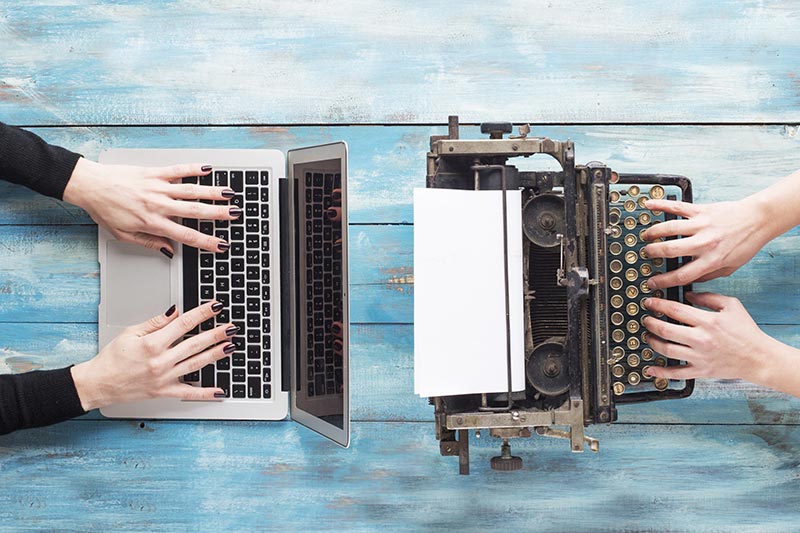
old-typewriter-and-laptop

Poor Data Security

Data security could not be more important today. New regulations, such as the GDPR, make compliance with laws essential for avoiding heavy fines and penalties. Old technology is not supportive of these goals. Often developed well before the time of mass personal data acquisition, it wasn’t created with data security in mind, which makes it subject to vulnerabilities and weaknesses.

Lack of Workplace Flexibility

It’s now commonplace for work to be remote and the rise of digital technology has made it easier for employees to effectively carry out their tasks through more flexible working options. But to do this, they need modern solutions. Old business technology does not support flexibility and the result is limitations that impact task completion — and employee satisfaction. Forcing an employee to give up flexibility because they are reliant on tech housed within an office isn’t going to create a positive working environment.

Inability to Connect with Customers and Clients

New technology is often about connectivity. Take, for example, cloud-based word processors like Google Documents. This technology enables simple collaboration and sharing of information. Conversely, older word processors lack this kind of connectivity. They may also be incompatible with newer systems and make the sharing of files difficult. This is a simple example, but it conveys the idea that the use of old business technology can create barriers your business neither wants nor needs.

Negative Consumer Perception

Customer perception can make your business or break it. What your consumers think about your business can influence the way they interact with it, as well as the information they share about your brand. Giving them the best possible impression is crucial to favourable perceptions, and the use of old technology goes against this. Modern ideas and forward-thinking brands inspire customers —not those trapped in the past.

What to Do about Old Business Technology

It’s easy enough to state that your business is suffering under old technology and it’s not difficult to see when this happens. What is more difficult, though, is finding alternatives.

Some businesses will, of course, remain on legacy systems because the technology has become entrenched within operations, or the business owners are simply afraid of how change might impact their business. For these organisations, it’s all about taking a tough but essential step to understanding the harm this kind of mindset is causing and making the necessary changes to move towards a brighter future.

But this isn’t always the case.

Some pieces of old technology appear to be irreplaceable. They might be archaic, but without them, you couldn’t complete specific and essential tasks.

Take, for example, the fax machine. Fax might be old, but it is still used a lot. Seventeen billion fax are sent every year. You can’t just replace it with email or an instant messaging service. It’s a specific type of technology that your business cannot live without. Instead of maintaining this kind of system though, the answer is to look for specific replacements. Digital fax is the evolution of fax, enabling fax to be sent and received as normal, but using 21st-century solutions.

Today — as with digital fax — there is often always a new form of technology developed to solve a specific problem. The challenge is locating it. Moving away from your old technology is not simply about going for whatever is new and shiny. It’s about tracking down exactly what will enable you to carry on doing what you need to do.

The Best Fax Machine Alternatives

The fax machine is very much a staple of the modern business landscape, despite the fact it’s very old technology. It’s time for it to go — but what alternatives are available to take its place?

Article overview:

Do You Really Need a Fax Alternative?

Fax remains an important part of communication for businesses the world over. The loss of fax functionality would be detrimental. However, maintaining traditional fax machines poses several risks to your business. You need a fax machine alternative that still enables fax.

What Fax Alternative Should Your Business Use?

Common replacements for fax include email and post. The problem is, post is not optimised for modern businesses and email doesn’t offer the functionality of faxing. Instead, digital fax is the best fax machine alternative available. It enables continued fax functionality without the pitfalls of other options

Learn More! Read the Full Story Below

Do You Need a Fax Machine Alternative?

The first question to ask is, does your fax machine even need replacing? Seeking out fax machine alternatives seems unnecessary if you can carry on using your current hardware.

Fax machines are legacy technology designed in the 19th century and popularised after the Second World War. They are outdated pieces of business hardware that have stood the test of time because of their functionality and convenience. However, their age is starting to show.

Fax machines are not suited to the modern era. They are proven risks to data security and computer network safety. They are also vastly inferior when it comes to workplace efficiency and costs, as compared to digital technology. Keeping them in your business is all-but-guaranteed to have a negative impact, and also means you are not optimising processes for the demands of 21-st century work.

Maintaining fax machines is a lot like keeping pagers. They certainly perform a function, but their limitations become more and more apparent as the years go by.

digital-fax-the-best-fax-machine-alternatives

The Problem with Obvious Alternatives

The fax machine has to go, but where do you turn for fax machine alternatives?

When looking to send physical documents, the first consideration might be postal mail, but then this is what the fax machine was initially brought in to avoid. Slow and expensive, postal mail also has risks similar to fax machines and has high paper demands in an era when most businesses are looking to go paperless.

The next obvious option is email. Again, there are major problems here. Email servers are notoriously easy to hack and manipulate, identified as the top security vulnerability for businesses in a recent poll, while email messages are also not considered authentic in legal matters, which is one of the reasons businesses still fax.

When looking at the obvious choices, it is impossible to find a fax machine alternative that makes sense. Part of this is down to the fact that getting rid of fax isn’t a good idea for your business.

Why You Shouldn’t Ditch the Fax

Fax is still a vital part of the modern business landscape; that is why you still have a fax machine after all. Some industries are reliant on it as a communication method, as are some international economies. Billions of faxes are sent every year, and millions of new machines are purchased by businesses to meet their fax demands.

As a practice, fax can play a significant role in your business’s success. Without the ability to fax, you may end up cutting important lines of communication and even alienating your business from certain industries. For example, fax is still important in healthcare and law. It is also massive in economies like the USA and Japan. Any business that wishes to deal with these industries or economies needs fax technology, or they will suffer.

Fax is synonymous with the fax machine, but in reality, the two are not mutually exclusive. Fax is a method of communication, while fax machines are used to send faxes. What you want to do is split the two, so you can remove the fax machine but still send and receive fax.

The Best Fax Machine Alternative

Digital fax is not only the best fax machine alternative but is realistically the only fax machine alternative.

It allows businesses to remove fax machines from their workplace while continuing to send and receive fax documents. It even connects with traditional fax machines, converting files automatically so you can send and receive fax to and from a business still using fax machines. Many of the risk factors involved in physical fax are also eliminated, while security is improved and efficiency boosted.

Digital fax is the only technology available that enables upgraded communication to fit modern business demands while simultaneously allowing for the continuation of essential fax transmissions.